
Insights
Vehicle Emissions Testing: Analyzer Specs & Buyer Guide
Choose an exhaust gas analyzer to match the test cycle, measurement principles, response time, and operating conditions. This guide compares common vehicle emissions tests and Cartesy MQW specifications.
This guide explains how vehicle emissions testing works, which vehicles may be covered, the main test types, how owners can prepare, and what to do after a failed result. It also includes Cartesy product data as a practical equipment reference. The focus is global: inspection schedules, exemptions, fees, retests, and certificate requirements vary by country and region, so vehicle owners should confirm details with the responsible local authority.
Table of Contents
- What Is Vehicle Emissions Testing?
- Vehicle Emissions Testing Requirements and Exemptions
- Types of Vehicle Emissions Tests
- How to Prepare for Your Emissions Test
- Where to Get a Vehicle Emissions Test and Costs
- What Happens If Your Vehicle Fails an Emissions Test?
- Frequently Asked Questions
- Analyzer Selection and Cartesy Product Data
What Is Vehicle Emissions Testing?
How Emissions Testing Works and What Gets Inspected
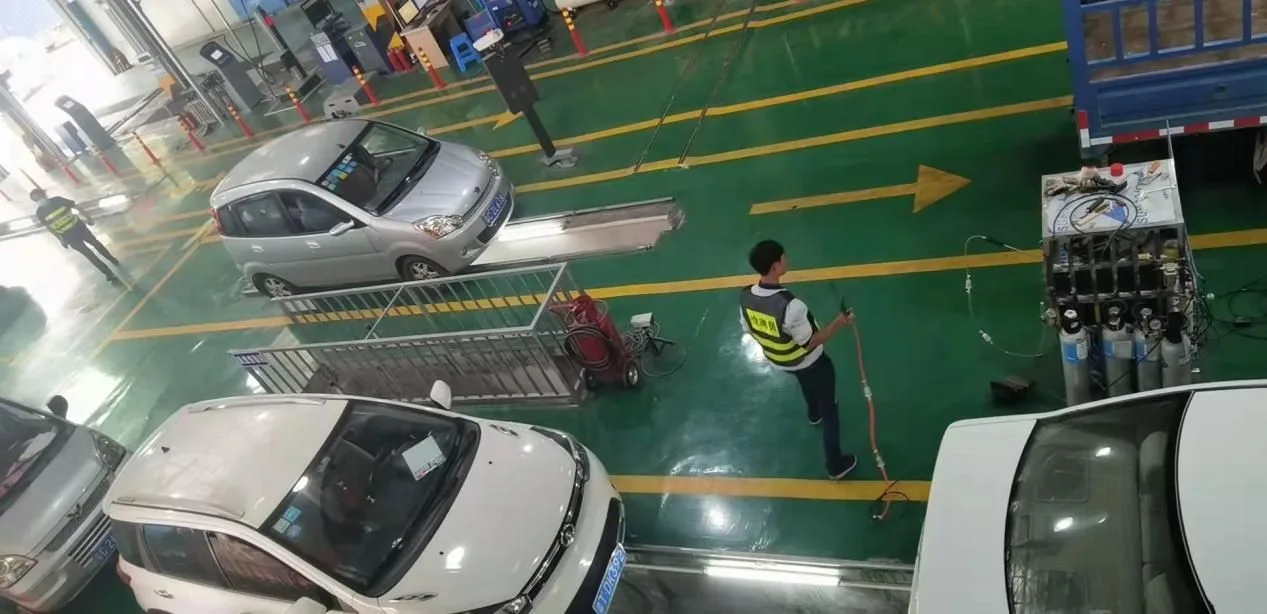
Vehicle Emissions Testing relies on specialized exhaust gas analyzers to quantify regulated pollutants—carbon monoxide (CO), hydrocarbons (HC), carbon dioxide (CO2), nitric oxide (NO), nitrogen dioxide (NO2), and oxygen (O2)—in motor vehicle exhaust. Beyond measuring raw gas concentrations, these analyzers calculate the excess air coefficient (λ) from measured CO, CO2, HC, and O2 values to evaluate combustion efficiency and air-fuel mixture accuracy.
Based on documented product specifications, these instruments support Vehicle Emissions Testing across three primary operational environments:
- Motor Vehicle Inspection Stations: High-throughput inspection lanes conducting statutory smog check programs and vehicle registration renewal testing for passenger cars, motorcycles, and commercial diesel vehicles.
- Automobile Manufacturers: End-of-line quality verification, engine calibration checks, and regulatory compliance auditing for spark-ignition and compression-ignition vehicles before shipment.
- Auto Repair Shops: Diagnostic troubleshooting, catalytic converter evaluation, and post-repair emissions verification before vehicle owners return to official emissions test locations.
Different regulatory test methods require distinct analyzer capabilities and sampling dynamics. For instance, spark-ignition two-speed idle testing under GB 18285 and motorcycle testing under GB 14621 evaluate tailpipe concentrations at unloaded engine speeds. By contrast, steady-state loaded mode and simple transient mode under GB 18285 measure pollutants under simulated road load, while diesel free-acceleration and lug-down testing under GB 3847 require specialized NOx and smoke opacity coordination.
Why Emissions Inspections Are Required
Combustion produces pollutants, and emissions-control components can wear or malfunction over time. Inspection programs give authorities a way to monitor vehicle emissions and identify vehicles that may exceed local limits. For owners, test results can point to issues involving the engine, exhaust system, catalytic converter, sensors, or related controls. However, a pass is only a result for the vehicle under the conditions of that test; it does not replace maintenance or guarantee that no other fault exists.
Vehicle Emissions Testing Requirements and Exemptions
Which Vehicles Need an Emissions Inspection
Coverage varies by jurisdiction. A program may include passenger cars, motorcycles, light commercial vehicles, buses, or heavy-duty trucks. It may also distinguish between gasoline, diesel, hybrid, and alternative-fuel vehicles. Gasoline and diesel vehicles do not necessarily use the same procedure: one may require an OBD check or gas analysis, while another may require a smoke-opacity test or a loaded test.
Before booking, owners should confirm the vehicle class and test type required for their registration or operating area. Imported vehicles, modified vehicles, and vehicles with unusual fuel systems may need additional documentation or a special procedure.
Counties and Program Areas Requiring Testing
Some programs cover an entire country or region; others apply only in designated cities, counties, or air-quality management areas. A vehicle’s registration address may determine whether periodic testing is required, while commercial vehicles may also be subject to rules based on where they operate. Program boundaries and requirements can change, so owners should check the official vehicle-registration, transport, or environmental agency rather than relying on information for a nearby area.
Testing Frequency and Change of Ownership
Some regions require testing annually or every few years; others connect testing to registration renewal or require it only for certain transactions. An inspection may be needed when a vehicle changes ownership, is imported, is registered in a new area, or undergoes specific repairs. These rules are local, and a valid test certificate may or may not transfer to a new owner. The due date shown in an official notice or vehicle account is the best starting point for confirming when testing is required.
Types of Vehicle Emissions Tests
OBD and Tailpipe Inspections
An OBD inspection reads information from the vehicle’s diagnostic system. Depending on the program, it may review stored emissions-related trouble codes, readiness monitors, and vehicle identification data. If a battery has recently been disconnected or fault codes have been cleared, readiness monitors may be incomplete. The vehicle may need to be driven under specified conditions before the test can be completed.
A tailpipe inspection directly measures exhaust gases. The vehicle may be tested at idle, at a specified engine speed, or under load on a dynamometer. Some programs assign different methods to different vehicle ages or categories. A station should confirm which procedure is applicable before testing.
Roadside RapidScreen Testing
Some regions use roadside remote sensing to estimate emissions from vehicles as they pass. Equipment may use light beams or other sensors to screen exhaust without requiring every vehicle to stop. Authorities can use results for monitoring, targeted follow-up, or program requirements. Remote screening does not automatically replace a scheduled inspection; its role and legal effect depend on local regulations.
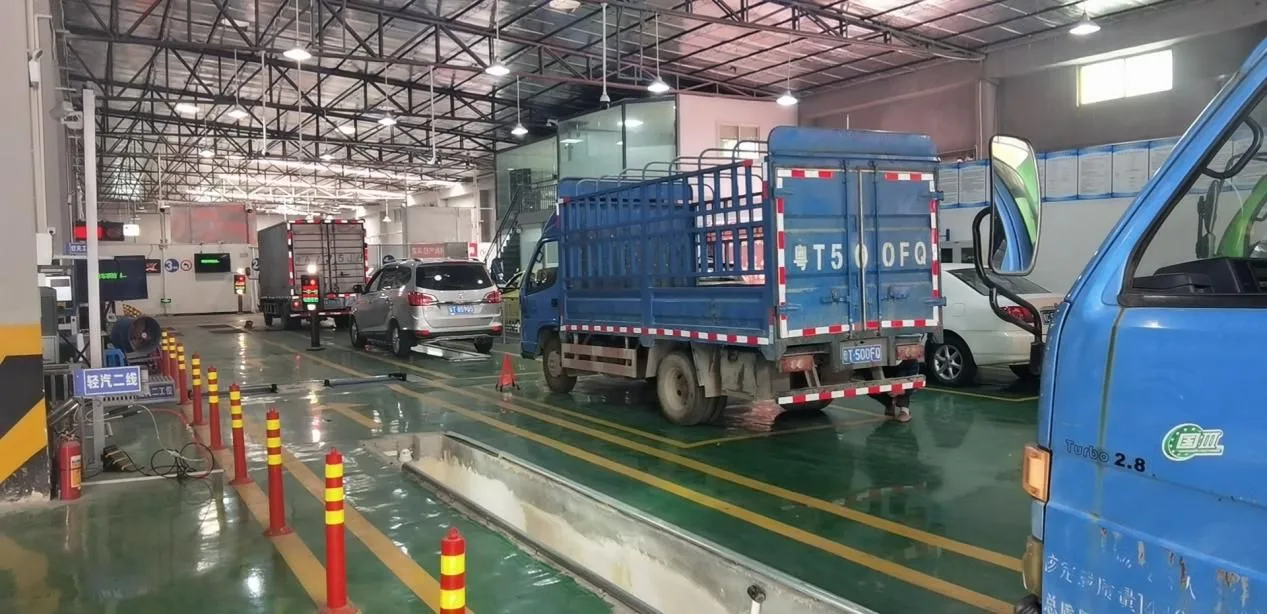
Light-Duty and Heavy-Duty Diesel Testing
Light-duty vehicles and heavy-duty diesel vehicles differ in engine size, exhaust treatment, load, and operating conditions. A light-duty vehicle may undergo an OBD or tailpipe test, while a heavy-duty vehicle may require a free-acceleration smoke test, a loaded test, or another defined procedure. The vehicle’s class, engine, model year, and intended use help determine the correct method. Testing facilities should verify that their authorization and equipment cover the specific vehicle category.
How to Prepare for Your Emissions Test
Required Documents
Check the testing authority’s instructions before the appointment. Commonly requested documents include vehicle registration, an inspection notice, proof of ownership, identification, or a previous test report. Vehicles registered elsewhere or recently transferred may require extra paperwork. Confirming requirements with the station can prevent delays or a second visit.
Pre-Inspection Tips and Battery Disconnections
Follow any preparation instructions provided by the authority or station, and ensure the vehicle is in normal operating condition. If an emissions warning light is on, arrange diagnosis before testing where practical. Avoid disconnecting the battery or clearing fault codes shortly before an OBD test unless a repair procedure requires it; after a reset, readiness monitors may need time and specific driving conditions to complete.
Do not try to conceal a fault or manipulate a test result. Address known problems, bring relevant repair records if requested, and ask the station whether the vehicle is ready for the applicable procedure. A warm engine may be required for some tests, but owners should follow the instructions for their location rather than assume one preparation method applies everywhere.
Where to Get a Vehicle Emissions Test and Costs
Authorized Testing Stations and Wait Times
Use the responsible authority’s website or contact center to locate an authorized testing station. Confirm that it can inspect the vehicle’s fuel type and class, and ask whether an appointment is needed. Wait times can increase near registration deadlines or during seasonal peaks. Before travelling, check opening hours, accepted payment methods, required documents, and whether the facility can perform a retest.
How Much Does a Test Cost?
There is no universal price. Fees depend on location, vehicle type, test method, and whether emissions testing is part of a broader inspection. Some authorities set a standard fee; others allow station-specific charges or separate retest fees. Confirm the current price with the local authority or authorized station before booking.
What Happens If Your Vehicle Fails?
Repairs and Retesting
A failed test should come with a report identifying the measured values or diagnostic items that did not meet requirements. The report can help guide repairs, but it may not identify the precise cause. Problems may involve the engine, exhaust, catalytic converter, sensors, or other emissions-control components, so further diagnosis may be needed.
After repairs, the vehicle may need a retest within a specified period. Local rules determine the deadline, whether the retest is free, and whether the vehicle may be driven before passing. Keep the test report and repair receipts, as they may be needed for a retest, waiver application, or registration process.
Waivers and Registration Extensions
Some jurisdictions offer a repair waiver, financial assistance, or a registration extension under defined conditions. Eligibility may require proof of completed repairs, a minimum repair expenditure, or evidence that a required part is unavailable. These options are not universal and may have strict deadlines. Contact the responsible authority before relying on a waiver; a failed test does not automatically authorize continued driving or registration renewal.
Frequently Asked Questions
Do I Need an Appointment?
It depends on the station and local program. Some facilities accept walk-ins, while others require an appointment or offer testing only at scheduled times. Contact the authorized station, especially during busy renewal periods.
What If My Vehicle Is Out of State or Abroad When Testing Is Due?
Contact the authority responsible for the vehicle’s registration before the due date. It may provide instructions for testing elsewhere, an extension, or an alternative process, but acceptance of an out-of-area test is not automatic. The authority may require proof that the vehicle is away or documentation from the testing facility.
How Does VIN Verification Relate to Emissions Testing?
A vehicle identification number (VIN) may be recorded during an emissions inspection to link the test result to the correct vehicle record. VIN verification is an identity check; it does not measure emissions or establish that a vehicle passes. If the VIN on the vehicle does not match its documents, contact the registration authority before the appointment.
Analyzer Selection and Cartesy Product Data
What to Compare When Selecting an Analyzer
Inspection stations should select equipment according to the procedures they must perform, vehicle types served, gases measured, response time, environmental conditions, data interfaces, and maintenance requirements. Buyers should check measurement ranges and accuracy against the applicable method, confirm calibration and verification arrangements, and review consumables and service needs. A device’s published specifications do not, by themselves, guarantee acceptance under every national program.
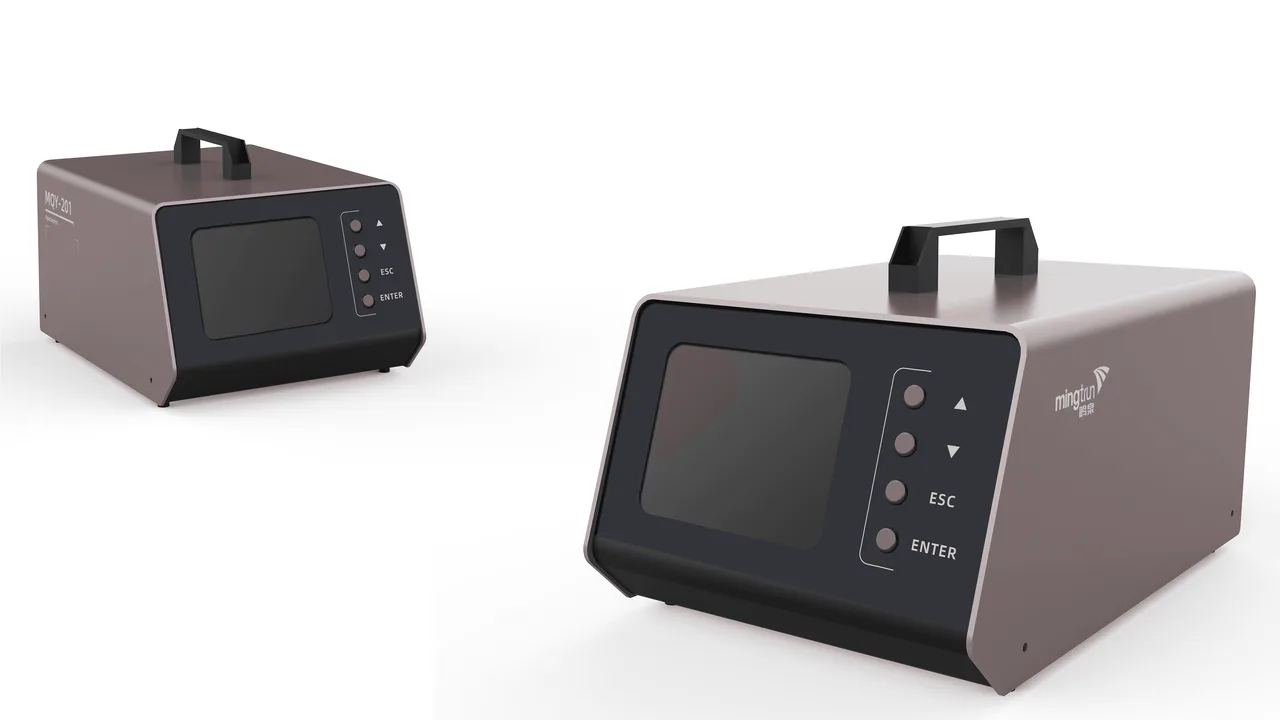
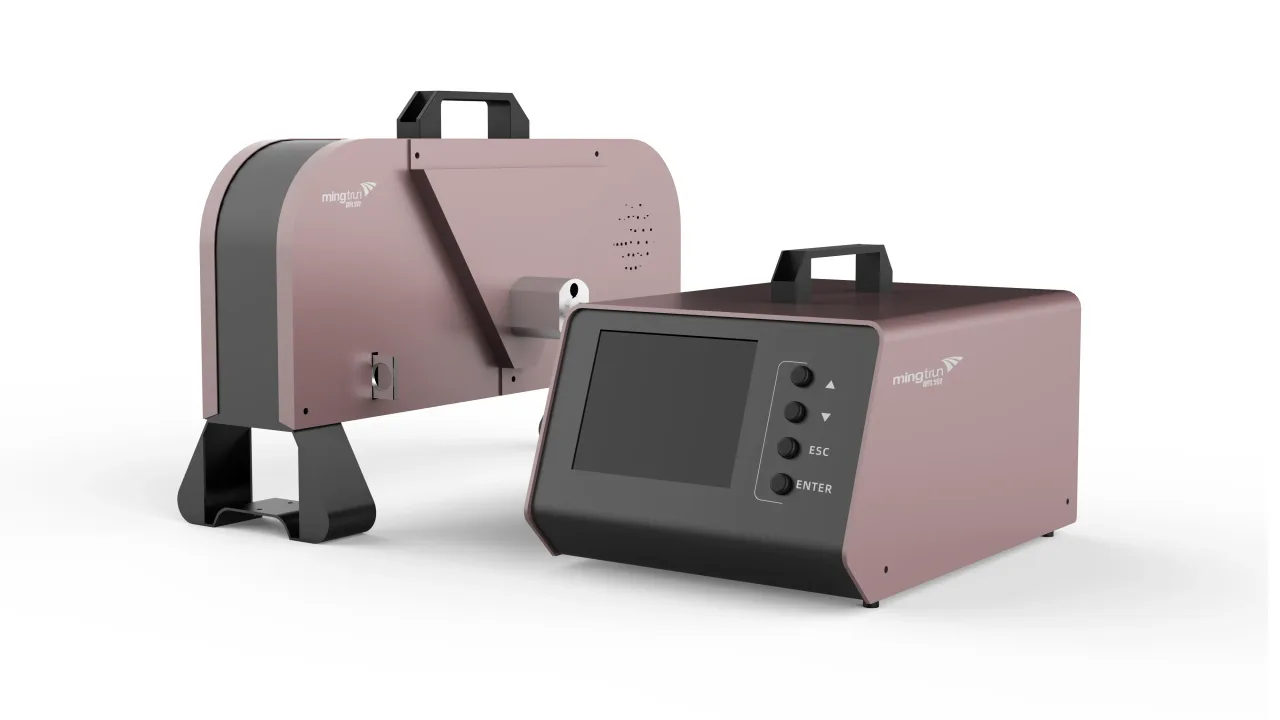
Cartesy’s MQW series provides examples of analyzer configurations for different applications. The table summarizes information in the supplied product materials; local test requirements and the complete model configuration should be confirmed before procurement.
| Cartesy model | Measurement configuration in supplied materials | Application or method listed | Selected response or system details |
|---|---|---|---|
| MQW-50A | NDIR: CO, HC, CO₂; electrochemical: O₂, NO | Two-speed idle testing and motorcycle applications under the listed GB procedures | CO/HC/CO₂: 8 s; NO: 15 s; O₂: 12 s; 65 W |
| MQW-50B | NDIR: CO, HC, CO₂, NO; electrochemical: O₂ | Steady-state loaded-mode gasoline testing | CO/HC/CO₂: 8 s; NO: 10 s; O₂: 15 s; 110 W |
| MQW-5105 | NDIR: CO, HC, CO₂, NO; electrochemical: O₂; NOx-to-NO conversion | Simple transient gasoline testing under the listed GB procedure | T90: HC/CO/CO₂ 3.5 s; NOx 4.5 s; main unit 110 W; pretreatment 350 W |
| MQW-5105(Z) | NDIR: CO, HC, CO₂; UV differential: NO and NO₂; electrochemical: O₂ | Simple transient gasoline testing under the listed GB procedure | T90: HC/CO/CO₂ 3.5 s; NOx 4.5 s; 110 W |
| MQW-5102 | NDIR: CO₂ and NO; NOx conversion in the listed configuration; smoke meter interface | Diesel free-acceleration and lug-down applications under the listed GB procedure | Compatible smoke-meter interface; response and power details depend on the model configuration |
The MQW-50A specification lists measurement ranges of 0–9999 ×10⁻⁶ for HC, 0.00–15.00 ×10⁻² for CO, 0.00–18.00 ×10⁻² for CO₂, 0–5000 ×10⁻⁶ for NO, and 0–25.00 ×10⁻² for O₂. Its stated resolution is 1 ×10⁻⁶ for HC and NO, and 0.01 ×10⁻² for CO, CO₂, and O₂.
| MQW-50A gas | Stated measurement range | Stated resolution |
|---|---|---|
| HC | 0–9999 ×10⁻⁶ | 1 ×10⁻⁶ |
| CO | 0.00–15.00 ×10⁻² | 0.01 ×10⁻² |
| CO₂ | 0.00–18.00 ×10⁻² | 0.01 ×10⁻² |
| NO | 0–5000 ×10⁻⁶ | 1 ×10⁻⁶ |
| O₂ | 0–25.00 ×10⁻² | 0.01 ×10⁻² |
Cartesy’s supplied materials also state that MQW analyzers use menu-based interfaces, support RS-232 communication, and include filtration features intended to reduce contamination. Depending on the model, the materials list 30-minute warm-up, AC 220 V ±22 V and 50 Hz ±1 Hz supply, and operating temperatures and humidity limits that differ by model. Buyers should use the selected model’s complete technical document rather than general series information when planning a test lane.
For example, the MQW-5105 documentation lists an operating temperature range of −5°C to 45°C, humidity below 95%, and a 30-minute warm-up. Its main unit is listed at approximately 16 kg, with a separate pretreatment unit of approximately 12 kg. The MQW-5105(Z) is listed at approximately 15 kg with dimensions of 550 × 485 × 230 mm. These details may affect installation space, utilities, and workflow, especially where equipment is integrated into an existing inspection lane.
Quality Documents and Supplier Credentials
The Cartesy qualification materials supplied for this article identify an ISO 9001 quality management system certification, CE certificates for multiple product categories, and third-party verification or calibration documents for selected testing equipment. The company profile also describes environmental and occupational health and safety management certifications, software copyrights, and patents.
These credentials should be checked against the specific model and project. A certificate’s scope, issuing body, validity period, and applicable standards matter; one product’s documentation should not be assumed to cover every analyzer or every destination market. Buyers should request the current certificates and supporting technical documents for the exact configuration under consideration.
Conclusion
Vehicle emissions testing is shaped by local rules, vehicle characteristics, and the test method used. Owners should verify coverage, timing, preparation, fees, and retest rules with the responsible authority, while testing facilities should select analyzers according to the procedures and vehicle categories they are authorized to serve. Cartesy’s MQW product data can help illustrate how measurement methods and configurations differ, but the final equipment choice should be matched to the applicable program and confirmed through model-specific documentation.