
Suspension, Chassis & Steering Testing Equipment
Automotive shock absorption and damping tester | CTZN-3
Shock absorber performance is critical for vehicle stability, road adhesion, and overall chassis safety. When suspension components degrade, braking distances increase, steering responsiveness deteriorates, and chassis...


Shock absorber performance is critical for vehicle stability, road adhesion, and overall chassis safety. When suspension components degrade, braking distances increase, steering responsiveness deteriorates, and chassis stability under transient maneuvers is compromised. The Cartesykj CTZN-3 shock absorption and damping tester provides automotive service facilities, testing lanes, and maintenance operations with a standardized methodology to evaluate dynamic damping health. Operating as an industrial-grade Vehicle Damping Test , this unit applies mechanical excitation to evaluate suspension responsiveness and locate internal component defects before chassis failure occurs.
Contents
- Equipment Definition and Material/Application Scope
- Buyer Value and Sourcing Considerations Supported by Supplied Facts
- Verified Technology Trends and Classifications
- Documented Materials, Quality Controls, Certifications, and Components
- Practical Sourcing and Risk-Mitigation Guidance
- Frequently Asked Questions
- Conclusion
1. Verified Equipment Definition and Material/Application Scope
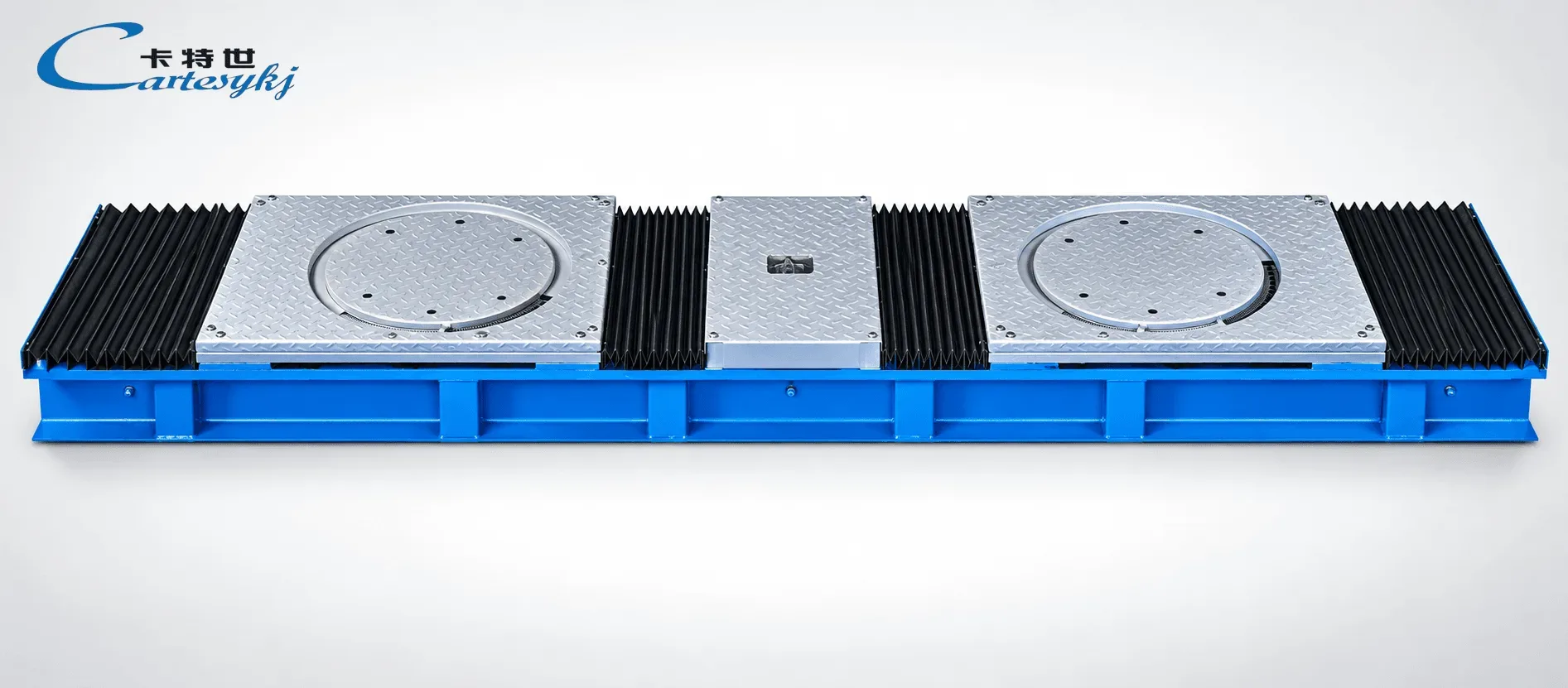
The Cartesykj CTZN-3 is an automotive shock absorption and damping tester engineered to quantify the mechanical response of passenger and light-duty commercial vehicle suspensions. Built with a welded frame structure, this shock absorption and damping tester introduces regulated mechanical vibration directly to the vehicle tire footprint via integrated drive plates. The equipment serves as a primary diagnostic station in automotive service equipment layouts, enabling rapid testing of suspension damping effectiveness without requiring physical disassembly of the strut or shock absorber assembly.
At the center of its operation is a parallelogram mechanical excitation mechanism driven by dual electric motors. This physical arrangement enforces controlled vertical displacement across the suspension components, inducing forced vibration across a defined frequency band. The apparatus measures dynamic force dissipation and stroke travel, providing actionable diagnostic metrics for modern automotive repair centers and periodic inspection stations.
Suspension Testing Scope and Operating Envelope
The CTZN-3 is designed around an operational profile engineered to handle passenger cars, utility crossovers, and commercial transport units within strictly documented physical load limits:
- Maximum passing axle load: 3000 kg, allowing drive-through positioning in standard vehicle inspection lane layouts.
- Allowed testing axle load: 2200 kg to 2500 kg maximum testing capacity, accommodating standard passenger sedans, light trucks, and electric vehicles within this weight envelope.
- Track width inspection span: 890 mm minimum to 2250 mm maximum, covering narrow compact wheelbases as well as wide-track commercial platforms.
- Measurement stroke: 72 mm total physical stroke, accommodating complete vertical movement during oscillation.
- Amplitude of vibration: Fixed 6 mm oscillation displacement to deliver repeatable mechanical input into the tire contact patch.
Role in Comprehensive Testing Environments
Within a vehicle inspection line, the damping tester operates alongside wheel alignment plates, side-slip meters, and roller brake testers. By measuring the interaction between the wheel and the road surface, the unit delivers dynamic data critical for Vehicle Damping and Obstacle Avoidance Testing. Evaluating dynamic wheel load recovery ensures the vehicle maintains traction when executing rapid evasion maneuvers or traversing rough terrain, linking measurement directly to operational stability.
Beyond baseline damping analysis, the performs chassis noise detection. High-frequency oscillating inputs excite worn bushings, loose ball joints, unseated anti-roll bar links, and damaged internal valving. This dual diagnostic role makes it an effective tool for isolating smart chassis faults and noise, vibration, and harshness (NVH) abnormalities during regular servicing.
2. Buyer Value and Sourcing Considerations Supported by Supplied Facts
Sourcing diagnostic hardware requires balance between testing throughput, accuracy, and operational durability. The CTZN-3 addresses critical workshop pain points by incorporating automated measurement routines and digital calculation architectures that reduce manual setup errors.
The unit features intelligent sensing that registers vehicle entry onto the drive plates. Once the vehicle axle rests securely within the measurement zones, the platform automatically triggers the pre-programmed detection routine. This eliminates manual cycle initiation by the technician, shortening the inspection cycle and supporting high test volumes in commercial inspection lanes.
AI Intelligent Damping Coefficient Calculation
Manual interpretation of analog oscillation traces can lead to inconsistent diagnostic results between operators. The CTZN-3 integrates standard computer controls running proprietary AI algorithms to quantify the damping coefficient. As the mechanical excitation drives the suspension into resonance and subsequently shuts down, the software tracks the decay rate of the oscillation curve.
The system evaluates calculated D values (damping ratio) and calculates error differences between the left and right wheels of the same axle. This allows operators to identify asymmetric shock absorber wear, internal fluid leakage, or degraded gas pressure quickly. By presenting both intuitive vibration curves and definitive numerical damping indices, the system provides repeatable documentation for end customers and statutory reporting.
Technical Parameter Matrix: CTZN-3
Parameter
Specified Value
Engineering Significance
Max. Passing Axle Load
3000 kg
Permits heavy passenger vehicles to roll across the without structural damage.
Testing Axle Load Range
2200 kg – 2500 kg
Defines upper mechanical boundary for valid resonance data acquisition.
Vibration Frequency
2 – 11.5 Hz
Spans standard passenger vehicle unsprung mass resonance thresholds.
Indication Accuracy
2%
Maintains strict measurement tolerance for regulatory and quality audits.
Vibration Amplitude
6 mm
Delivers controlled physical vertical displacement for suspension excitation.
Measurement Stroke
72 mm
Permits adequate travel to capture complete dampening decay.
Motor Configuration
2 × 1.1 kW
Independent electromechanical drive for left and right testing plates.
Wheel Base / Track Width
890 / 2250 mm
Broad track compatibility spanning subcompact cars to wide commercial chassis.
Operating Voltage
AC380V 50Hz
Standard three-phase industrial electrical supply requirement.
Overall Dimensions
2320 × 800 × 280 mm
Shallow foundation pit depth requirement (280 mm) minimizing civil works.
3. Verified Technology Trends and Classifications
Automotive suspension evaluation methods have progressed from manual visual checks and rebound bouncing to standardized dynamic resonance testing. Contemporary service equipment relies on forced resonance testing derived from standard physical excitation principles, such as the BOGE or EUSAMA methodologies.
Resonance Generation via Parallelogram Excitation
The CTZN-3 utilizes a parallelogram mechanical excitation device to drive the tested suspension into full mechanical resonance. By varying the excitation frequency across an operational range of 2 Hz to 11.5 Hz, the system forces the vehicle's unsprung mass (wheel, hub, brake, and lower arm assembly) through its natural resonance peak. When the electric motor accelerates beyond the natural frequency of the suspension and disengages, the system measures the mechanical response during decay.
The parallelogram structure maintains plate horizontal stability throughout the 6 mm vertical travel stroke. This kinematic arrangement prevents lateral binding forces from distorting vertical load measurements, directly contributing to the system's 2% indication accuracy.
Computer-Controlled D-Value Quantification
Older analog testing rigs relied on mechanical styluses scratching displacement graphs onto paper cards. Modern digital damping test es capture force and displacement signals using high-speed data acquisition boards. The CTZN-3 platform processes these signals through integrated calculation software, establishing:
- Peak-to-Peak Amplitude Decay: Tracking how quickly the oscillation settles after excitation disengages.
- Dynamic Contact Efficiency: Measuring the minimum ground force contact ratio during full resonance.
- Axle Imbalance (Error Differences): Comparing left-to-right damping performance on the same axle to catch asymmetric wear patterns that pull the vehicle under braking.
4. Documented Materials, Quality Controls, Certifications, and Components
Industrial testing hardware requires rugged mechanical construction to withstand continuous axle passage and harsh diagnostic shop environments. The Cartesykj CTZN-3 is built around a heavy-duty structural chassis engineered for workshop environments.
Welded Frame Construction and Mechanical Drive
The base and housing of the CTZN-3 feature unified frame welding. This structural design provides high torsional rigidity, resisting dynamic shock loads when vehicles enter the test lane. With a profile measuring 2320 mm in length, 800 mm in width, and 280 mm in height, the shallow pit envelope minimizes civil foundation excavation requirements while preserving structural integrity under 3000 kg passing loads.
The electromechanical drive incorporates dual 1.1 kW electric motors (2 × 1.1 kW configuration). Each motor drives an independent eccentric flywheel connected to the parallelogram linkage. This twin-motor configuration ensures dedicated power delivery to each wheel platform, facilitating accurate side-by-side comparative analysis.
Standard Compliance and Regulatory Frameworks
The CTZN-3 system is engineered in accordance with internationally recognized mechanical and electrical directives. Factory specifications confirm compliance with:
- EN 12100-1 / EN 12100-2: Safety of machinery, addressing risk assessment, structural safeguards, and operational hazard mitigation.
- 2014/30/EU (EMC Directive): Ensuring electromagnetic compatibility across industrial controls and sensor instrumentation.
- EN 61000-6-3: Electromagnetic compatibility emission standards for residential, commercial, and light-industrial environments, ensuring operation without interfering with adjacent computerized alignment and diagnostic equipment.
5. Practical Sourcing and Risk-Mitigation Guidance
Procuring a shock absorption and damping tester requires careful coordination between equipment capabilities, workshop infrastructure, and vehicle types. Buyers should verify pit construction tolerances, electrical supply stability, and vehicle weight ratings before ordering.
Civil Engineering and Infrastructure Verification
Integrating the CTZN-3 into an existing workshop or new testing lane requires pit preparation matching the 2320 × 800 × 280 mm physical envelope. Pit depth must allow for horizontal leveling, cable routing, and proper drainage. Additionally, the facility must supply a stable AC380V 50Hz 3-phase power line to support the 2.2 kW combined motor draw without line voltage drops during peak mechanical starting torque.
Procurement Evaluation Checklist
- Axle Weight Coverage: Confirm that the target vehicle fleet does not exceed the 2200–2500 kg maximum testing axle load or the 3000 kg passing limit.
- Track Span Compatibility: Ensure local vehicle models fit within the 890 mm to 2250 mm track width span.
- Software Integration: Verify compatibility between the CTZN-3 computer control interface and your workshop data management system.
- Calibration Protocols: Establish scheduled calibration routines to maintain the certified 2% indication accuracy throughout multi-shift operation.
Frequently Asked Questions
What is the primary function of the CTZN-3 shock absorption and damping tester?
The CTZN-3 evaluates the mechanical condition of vehicle suspension systems. It uses a parallelogram mechanical excitation mechanism to drive the vehicle suspension into resonance, allowing onboard AI algorithms to calculate damping coefficients and detect shock absorber defects, imbalance, and chassis noise.
What are the maximum axle loads supported by the CTZN-3?
The CTZN-3 has a maximum passing axle load of 3000 kg and an operational testing axle load capacity specified between 2200 kg and 2500 kg, making it suitable for passenger vehicles, SUVs, and light utility vehicles.
What electrical supply is required to operate this equipment?
The unit requires an AC380V 50Hz three-phase power supply to drive its dual 1.1 kW electric motors (2 × 1.1 kW total power).
Which international standards does the CTZN-3 comply with?
The equipment complies with European machinery safety and electromagnetic compatibility standards, specifically EN 12100-1/-2, the 2014/30/EU directive, and EN 61000-6-3.
Conclusion
Accurate suspension assessment is vital for vehicle safety, braking performance, and road handling. The Cartesykj CTZN-3 shock absorption and damping tester delivers precise suspension diagnostics through high-strength welded construction, dual 1.1 kW motors, and AI-driven damping coefficient calculations. With an indication accuracy of 2% across a 2–11.5 Hz frequency range, it integrates seamlessly into modern vehicle inspection lines and automotive service workshops. For detailed engineering specifications, foundation layouts, and consultation regarding the CTZN-3, contact our engineering support team.
Related Products
Compare related inspection systems
Suspension, Chassis & Steering Testing Equipment
Automatic Vehicle Steering Angle Tester | CTZJ-13-2
View Product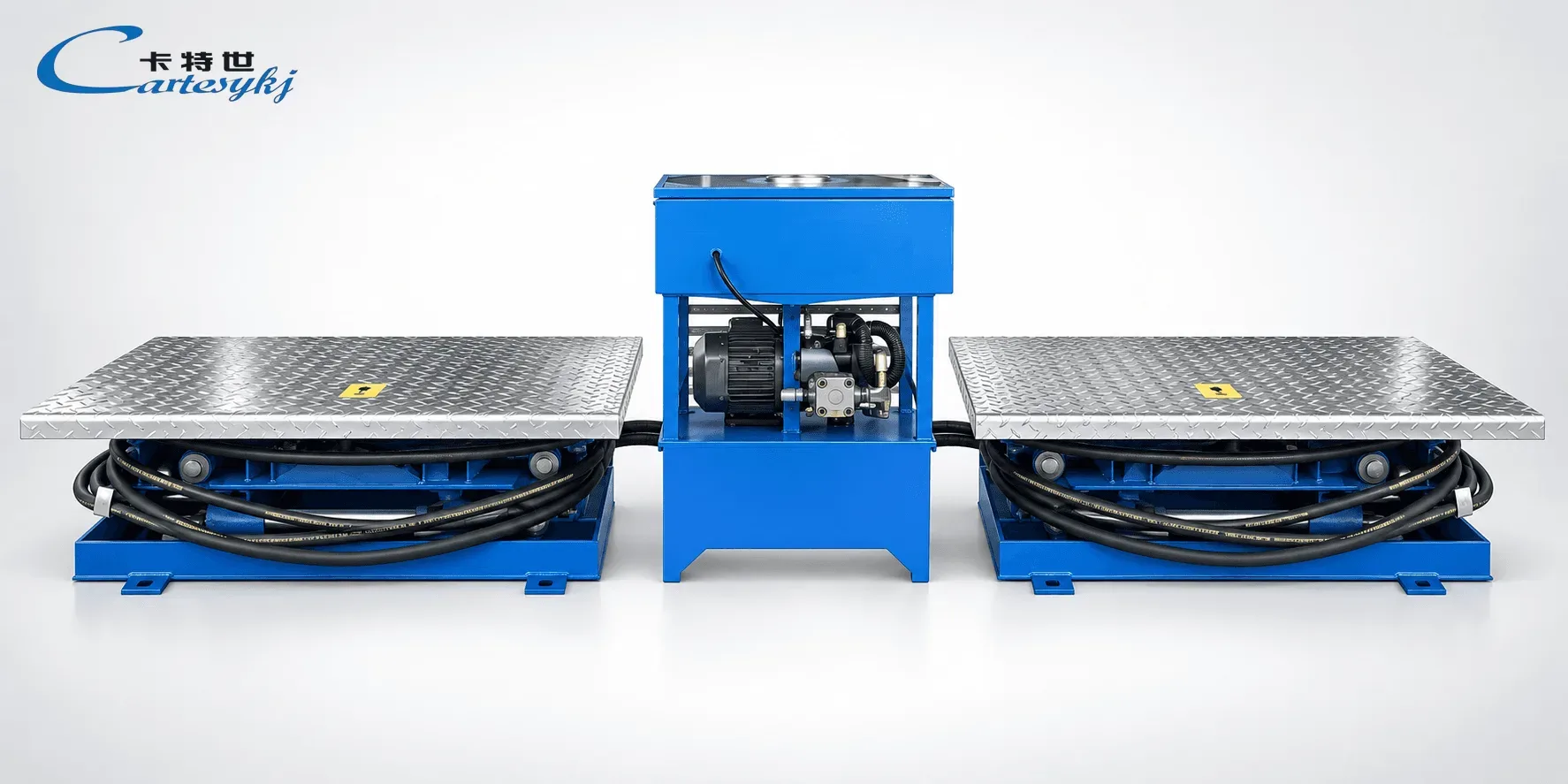
Request a Quote
Request configuration and pricing for your project.
Share your vehicle type, inspection lane layout, target capacity, and required model configuration for Automotive shock absorption and damping tester | CTZN-3.
Share the project location, vehicle types, inspection scope, applicable standards, target throughput, site conditions and current stage. We will confirm the configuration scope before discussing pricing.