
Speedometer & Roller Auxiliary Equipment
Two-Wheel Motorcycle(EV) Speedometer Tester | CTJZMT-300B
An inaccurate motorcycle speedometer compromises road safety and causes non-compliance during mandatory periodic technical inspections. For professional test lanes and vehicle inspection stations, deploying an accurate...


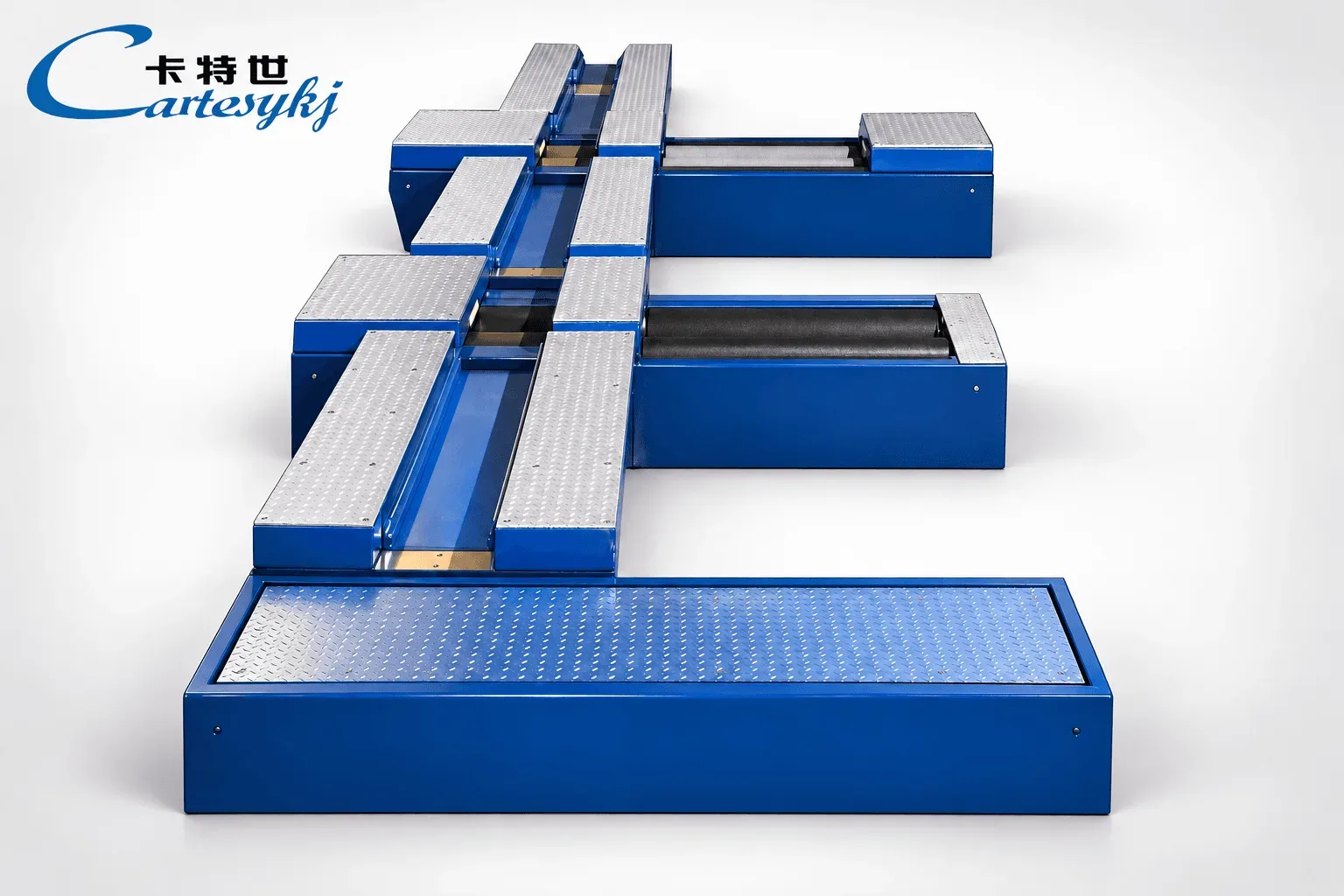
An inaccurate motorcycle speedometer compromises road safety and causes non-compliance during mandatory periodic technical inspections. For professional test lanes and vehicle inspection stations, deploying an accurate Two-Wheel Motorcycle Speedometer Tester is necessary to verify instrument indications under repeatable, controlled conditions. Integrated into the Cartesykj CTJZMT-300B multi-function test bench, this roller-based module measures speeds from 0 to 120 km/h with an indication error of ±2% for conventional two-wheel motorcycles and electric motorcycles.
This technical guide examines the structural engineering, variable-frequency speed adjustment drive, pneumatic lifting mechanism, and integration parameters that define reliable two wheel motorcycle speed testing.
Table of Contents
- Verified Equipment Definition and Application Scope
- Buyer Value and Sourcing Considerations
- Verified Technology Trends and Working Principles
- Documented Specifications, Structural Quality, and Standards
- Practical Sourcing and Risk-Mitigation Guidance
- Frequently Asked Questions
- Conclusion and Technical Sourcing
1. Verified Equipment Definition and Application Scope
A Two-Wheel Motorcycle Speedometer Tester is a specialized roller bench engineered to check vehicle speed measurement equipment against verified surface speed standards. Within the Cartesykj equipment architecture, the two-wheel motorcycle speedometer tester operates as a core testing module within the CTJZMT-300B integrated test platform.
As commercial transport shifts toward clean propulsion, inspection facilities must handle internal combustion and electric drivetrains on identical lanes. The CTJZMT-300B platform functions effectively as an electric motorcycle speedometer tester, supporting electric motorcycle testing equipment protocols without risking vehicle motor overspeed or dynamic slip.
Main Testing Functions
The two-wheel motorcycle speedometer tester performs several standardized tasks defined in product engineering data:
- Two-wheel motorcycle speed testing: Evaluates analog dials and digital dashboards across the full 0–120 km/h testing range.
- Electric motorcycle speedometer tester routines: Verifies speedometer indication on battery-electric two-wheelers with direct-drive hubs or mid-drive motors.
- Roller-based speedometer testing: Measures driven wheel rotational velocity via twin contact rollers to check motorcycle speedometer accuracy.
- Variable frequency speed control: Uses variable-frequency regulation on a 2.2 kW motor to assist roller rotation at specific setpoints.
- Wireless remote control: Enables single technicians to select speed testing points directly while seated on the motorcycle.
- Pneumatic lifting: Positions lifting plates flush with platform tracks to streamline drive-on and drive-off actions.
Associated Multi-Function Equipment Scope
The two-wheel motorcycle speedometer tester in the CTJZMT-300B structure shares mechanical housing with other mandatory testing modules, including:
- Motorcycle speedometer test bench: 0–120 km/h range with ±2% tester indication error.
- Motorcycle brake force tester: 0–2000 N measurement range with ±3% indication error.
- Motorcycle axle load tester: 0–300 kg testing capacity with ±2% full-scale indication error.
- Optional wheel deviation tester: ±15 mm measurement range with ±0.2 mm indication error.
2. Buyer Value and Sourcing Considerations
When selecting motorcycle speedometer testing equipment, technical directors must evaluate throughput, footprint, and maintenance costs against station budgets. Sourcing an integrated two-wheel motorcycle speedometer tester from an established motorcycle testing equipment manufacturer reduces capital expense compared to acquiring isolated test benches.
Integrated Platform vs. Standalone Speedometer Units
Standalone units require dedicated approach ramps, separate floor anchorings, and isolated wiring harnesses. In contrast, incorporating the two-wheel motorcycle speedometer tester within the CTJZMT-300B combines load, braking, and speed measurement into a unified steel footprint of 3540 × 1130 × 280 mm.
Operational Parameter
CTJZMT-300B Integrated Tester
Standalone Speedometer Module
Floor Space Required
3540 × 1130 × 280 mm total platform
Extended space for ramps, console, and safety zones
Vehicle Wheelbase Range
900–2800 mm supported
Often restricted by standalone frame length
Permissible Axle Load
Maximum 300 kg per axle
Varies; requires independent load verification
Civil Foundation Work
Single shallow pit or surface installation
Multiple excavation pits and separate pneumatic lines
Drive Motor Rating
2.2 kW variable-frequency drive
Dedicated motor package per isolated bench
Total Cost of Ownership and Operating Efficiency
Total cost of ownership for motorcycle safety inspection equipment depends on power demand, pneumatic consumption, calibration frequency, and duty cycle. The 2.2 kW drive motor optimizes energy consumption during speed hold cycles. Integrating the two-wheel motorcycle speedometer tester within the multi-function bench eliminates multiple drive-on steps, reducing testing cycle duration per vehicle.
3. Verified Technology Trends and Working Principles
Modern motorcycle speed test bench equipment utilizes roller based speedometer testing to replicate road rolling resistance in a stationary environment. The two-wheel motorcycle speedometer tester module in the CTJZMT-300B bench ensures stable tire-roller engagement throughout rapid acceleration and steady-state holding.
Step-by-Step Inspection Principle
- Positioning: The pneumatic lift plate raises between the rollers, allowing the motorcycle wheel to roll smoothly into the center pocket.
- Lowering: Air is exhausted from the pneumatic cylinder, resting the rear tire securely across the dual rollers.
- Speed Acceleration: The motorcycle engine or electric motor drives the rollers, or the 2.2 kW motor assists roller rotation via variable frequency speed control.
- Point Selection: The operator uses the handheld wireless remote control to log target speed testing points (such as 40 km/h).
- Data Comparison: The system records roller surface velocity and compares it against the displayed instrument reading, checking compliance within the ±2% error threshold.
- Egress: The pneumatic lift re-engages, lifting the motorcycle wheel clear of the roller pocket for safe exit.
Roller Mechanics and Center Geometry
Tire seating stability on a two-wheel motorcycle speedometer tester is governed by roller diameter and axis spacing. The CTJZMT-300B uses two dynamically balanced rollers measuring Ø176.6 × 300 mm set at an exact roller center distance of 275 mm. This geometry keeps the tire cradled during high-speed rotation up to 120 km/h without wheel climb.
4. Documented Specifications, Structural Quality, and Standards
High-volume motorcycle inspection station equipment demands robust structural steel fabrication to withstand repeating dynamic impacts. The CTJZMT-300B frame uses high-strength welded construction to maintain structural alignment across high-throughput operating schedules.
Specification Parameter
Documented Value
Inspection Significance
Tester Type
Two-Wheel Motorcycle Speedometer Tester
Dedicated roller module within CTJZMT-300B bench
Speed Testing Range
0–120 km/h
Evaluates light mopeds, scooters, and high-speed motorcycles
Tester Indication Error
±2%
Provides metrological precision for regulatory verification
Roller Dimensions
2 × Ø176.6 × 300 mm
Wide surface area ensures stable contact and heat dissipation
Roller Center Distance
275 mm
Prevents tire pinching and wheel ejection during rotation
Motor Power
2.2 kW
Reliable power for variable-frequency assisted runs
Lifting Method
Pneumatic
Protects internal bearings from vehicle impact loads
Control System
Wireless remote control
Enables single-operator line execution from the saddle
Permissible Axle Load
300 kg (Integrated Platform)
Accommodates standard to heavy two-wheel road bikes
Applicable Wheelbase
900–2800 mm (Platform)
Supports short scooters through long custom motorcycles
Overall Platform Size
3540 × 1130 × 280 mm
Compact footprint for flexible inspection lane layout
Dynamic Roller Balancing and Noise Reduction
Imbalanced rollers spinning at peripheral velocities up to 120 km/h create destructive harmonics and erroneous sensor data. Cartesykj applies dynamic roller balancing to all speedometer rollers. This treatment lowers operating noise inside testing halls and protects bearings from premature wear.
Referenced Inspection Standards
The CTJZMT-300B two-wheel motorcycle speedometer tester is built in reference to established Chinese industrial and safety standards, specifically GB/T 13563 (speedometer test benches for motorcycles and mopeds) and GB 7258 (technical conditions for motor vehicle operational safety). Operators in other regulatory regions must evaluate these parameters against their local inspection criteria.
5. Practical Sourcing and Risk-Mitigation Guidance
Procuring two wheel motorcycle inspection equipment requires matching mechanical ratings with facility capabilities to prevent integration downtime. Buyers should follow systematic technical checks when specifying a two-wheel motorcycle speedometer tester.
Procurement and Installation Checklist
- Verify Axle Load Compatibility: Ensure the target vehicle weight does not exceed the platform maximum axle load limit of 300 kg.
- Confirm Roller Center Geometry: Verify the roller center distance is exactly 275 mm for the CTJZMT-300B module. Do not use 310 mm roller spacing, which belongs to separate vehicle product series such as the CTMT-750 or CT3JZMT-750.
- Facility Utility Readiness: Provide a stable three-phase electrical supply for the 2.2 kW motor alongside clean compressed air for the pneumatic lift mechanism.
- Fleet Wheelbase Verification: Ensure local motorcycle models match the platform wheelbase range of 900–2800 mm.
- Metrological Calibration: Confirm sensor calibration routines maintain the documented ±2% tester indication error across the 0–120 km/h spectrum.
6. Frequently Asked Questions
What is a two-wheel motorcycle speedometer tester?
A two-wheel motorcycle speedometer tester is a roller-based machine designed to assess speedometer indication accuracy on two-wheel motorcycles and electric motorcycles against calibrated roller surface speed.
How does a motorcycle speedometer test bench measure speed?
The driven wheel rests on balanced steel rollers. As the wheel turns, precision speed sensors measure roller surface speed while variable-frequency speed adjustment regulates test conditions, allowing the technician to compare bench readings with the vehicle speedometer display.
What is the speed testing range and indication error of the CTJZMT-300B module?
The CTJZMT-300B two-wheel motorcycle speedometer tester has a speed measurement range of 0–120 km/h with a tester indication error of ±2%.
Can the speedometer module test electric motorcycles?
Yes. The roller bed, 2.2 kW drive motor, and variable-frequency regulation support electric motorcycle speedometer inspection across low and high speed testing points within the 300 kg axle load rating.
What are the roller dimensions and center distance on this equipment?
The tester features dual rollers measuring 2 × Ø176.6 × 300 mm arranged with an exact roller center distance of 275 mm.
Is CTJZMT-300B a standalone speedometer tester?
No. CTJZMT-300B designates the complete integrated motorcycle test bench, which houses the two-wheel motorcycle speedometer tester alongside a brake force tester, an axle load tester, and optional wheel deviation testing hardware.
7. Conclusion and Technical Sourcing
Deploying a verified Two-Wheel Motorcycle Speedometer Tester ensures that inspection stations, maintenance workshops, and certification lines maintain strict compliance with vehicle safety standards. Integrated into the CTJZMT-300B multi-function testing platform, the Cartesykj two-wheel motorcycle speedometer tester delivers stable dynamic performance from 0 to 120 km/h with an indication error of ±2%, powered by a 2.2 kW variable-frequency drive and pneumatic positioning support. Contact the Cartesykj engineering department for complete layout drawings, technical integration specifications, and project quotations tailored to your motorcycle inspection line.
Related Products
Compare related inspection systems
Speedometer & Roller Auxiliary Equipment
Motorcycle (EV) Speedometer Tester for Two & Three Wheels | CTMT-750 /CT3JZMT-750
View ProductSpeedometer & Roller Auxiliary Equipment
Vehicle Speedometer Tester | CTCS-3A/CTCS-10A/CTCS-10A
View ProductRequest a Quote
Request configuration and pricing for your project.
Share your vehicle type, inspection lane layout, target capacity, and required model configuration for Two-Wheel Motorcycle(EV) Speedometer Tester | CTJZMT-300B.
Share the project location, vehicle types, inspection scope, applicable standards, target throughput, site conditions and current stage. We will confirm the configuration scope before discussing pricing.