
Inspection Line Control & Data Management Systems
PDA Appearance Inspection System | Cartesykj
Table of Contents - 1. Verified Equipment Definition and Material/Application Scope - 2. Buyer Value and Sourcing Considerations Supported by Supplied Facts - 3. Verified Technology Trends and Classifications - 4. Docum...


Table of Contents
- Verified Equipment Definition and Material/Application Scope
- Buyer Value and Sourcing Considerations Supported by Supplied Facts
- Verified Technology Trends and Classifications
- Documented Materials, Quality Controls, Certifications, and Components
- Practical Sourcing and Risk-Mitigation Guidance
- Frequently Asked Questions
- Conclusion and Engineering Consultation
1. Verified Equipment Definition and Material/Application Scope
A PDA Appearance Inspection System consists of portable enterprise personal digital assistants (PDAs) coupled with dedicated data collection software, wireless networking, and a central station database interface. Designed for vehicle appearance inspection system operations, this setup digitizes initial visual, safety, and identity checks before a vehicle proceeds to automated roller brake testers, suspension benches, side-slip plates, or emissions analyzers.
Application Scope and Inspection Items
The system standardizes data entry across statutory vehicle inspection stations, fleet maintenance depots, vehicle logistics hubs, and end-of-line automotive manufacturing facilities. When a vehicle enters the appearance inspection station vehicle zone, the inspector verifies physical items against regulatory criteria, entering real-time evaluation logs into the terminal:
- Vehicle Identification: Verification of chassis VIN stamping, license plate matches, engine serial markings, and visual body codes against digital intake records.
- Exterior and Structural Integrity: Assessment of frame deformation, body corrosion, bumper damage, windshield clarity, wiper integrity, and mirror mountings.
- Lighting and Signage: Operational status of headlamps, turn indicators, reverse lights, reflective markings, emergency vehicle signboards, and hazardous transport placards.
- Wheel and Tire Assemblies: Tread depth wear thresholds, visible carcass damage, lug nut tightness, mismatched tire dimensions across identical axles, and wheel guard conditions.
- Safety and Ancillary Gear: Presence and operational readiness of fire extinguishers, warning triangles, seat belts, emergency door handles, and coupling mechanisms.
Operational Work Environment
Unlike stationary test benches installed inside covered inspection halls, handheld inspection terminals operate primarily across check-in lanes, open staging yards, entry gates, and outdoor pit bays. Deploying a reliable PDA Appearance Inspection System ensures hardware handles drops onto concrete, high ambient glare, wide temperature variations, and contact with engine oils or rain without losing data integrity.
2. Buyer Value and Sourcing Considerations Supported by Supplied Facts
Transitioning from paper-based inspection clipboards to a PDA based vehicle inspection platform alters lane cycle times, operator accountability, and audit readiness. Sourcing teams analyze this equipment by weighing process acceleration against system integration and long-term hardware reliability across each appearance inspection station vehicle bay.
Operational Metric
Paper-Based Clipboards
Stationary Desktop Terminals
Handheld PDA System
Data Entry Latency
High; manual entry post-inspection
Moderate; operator walks between vehicle and PC
Zero; instant input at the vehicle side
Transcription Error Rate
Frequent handwriting misreads
Low; direct digital input
Minimal; direct digital input with field rules
Inspector Yard Mobility
Full physical mobility
Restricted to desktop kiosk radius
Full mobility via wireless range (Wi-Fi/4G)
Photo Evidence Capture
Requires separate cameras
Rarely integrated; fixed webcams
Directly integrated via onboard camera
Initial Procurement Capex
Lowest initial investment
Moderate; industrial PC & kiosk
Moderate; rugged PDAs and station licensing
Throughput and Total Cost of Ownership (TCO)
In standard vehicle testing lanes, manual data re-entry creates administrative overhead and vehicle queue build-ups. Entering appearance check results directly while registering the vehicle cuts minutes from cycle times, preventing visual checks from delaying automated testing benches. A modern PDA Appearance Inspection System lowers operating costs through three primary operational mechanisms:
- Elimination of Administrative Bottlenecks: Operators enter defect records, select predefined fault codes, and attach timestamped images without needing dedicated data-entry typists.
- Reduction in Re-Test Disputes: Photographic proof captured via PDA timestamps defect points, providing incontrovertible documentation when failing vehicles on visual criteria.
- Hardware Replacement Ratios: Standard consumer-grade mobile devices face high failure rates in industrial automotive testing yards. Purchasing enterprise-grade ruggedized devices lowers total device lifecycle replacement costs.
Adopting a dependable PDA Appearance Inspection System allows station managers to maintain consistent inspection pacing, ensuring that visual evaluations never become the primary operational bottleneck in high-volume testing facilities.
3. Verified Technology Trends and Classifications
Handheld inspection architectures combine operating systems, networking models, and communication layers to interface with testing station infrastructure. Selecting the right PDA Appearance Inspection System requires matching operating conditions to line speed, physical yard scale, and local server architecture across every active test lane.
Operating System Configurations: Android Enterprise vs. Embedded Windows
Industrial testing hardware relies on two distinct operating system structures:
- Android Enterprise Platforms: Current industry standards for any vehicle appearance inspection system rely heavily on specialized Android builds. These platforms support rapid software development, intuitive touch layouts, fast camera processing for barcode and optical character recognition (OCR), and broad hardware component availability.
- Legacy Embedded Operating Systems: Older inspection equipment lines frequently utilized Windows Embedded Handheld or CE platforms. While stable for pure text and barcode scanning, these systems lack support for modern network security protocols, modern wireless standards, and high-resolution imaging modules.
Connectivity Paradigms: Real-Time Sync vs. Store-and-Forward
Network reliability varies between indoor testing stations and open-air staging yards. Any commercial PDA based vehicle inspection platform must manage communications through two fundamental methodologies:
- Real-Time Wireless Synchronization: PDAs remain continuously linked to the testing station host server through industrial dual-band Wi-Fi (2.4 GHz / 5 GHz) or private AP networks. Fault codes, license plate reads, and test approvals synchronize instantly with the test lane control unit, unlocking automated downstream equipment without delay.
- Store-and-Forward Local Buffering: In facilities with network dead zones, devices running a PDA Appearance Inspection System store inspection databases locally via SQLite or secure internal storage. The system queues test records and photo evidence, automatically syncing them with the primary line database once the device reconnects to a station network node.
Deploying a versatile PDA Appearance Inspection System that supports hybrid connectivity ensures that testing continues without interruption, even when inspectors navigate radio-opaque workshop pits or remote yard corners.
4. Documented Materials, Quality Controls, Certifications, and Components
Industrial handheld inspection devices operate in demanding automotive environments. They require robust mechanical construction, consistent internal electronic components, and compliance with industrial durability standards.
Mechanical Enclosure and Ingress Protection
Inspection devices must withstand exposure to moisture, engine fluids, fine dust, and impacts. Procurement specifications for a durable PDA Appearance Inspection System require verified physical ratings to guarantee equipment uptime:
- Ingress Protection (IP Ratings): Handheld inspection terminals should carry minimum IP65 to IP67 certifications, ensuring complete protection against airborne particulates and water spray during exterior vehicle washing or severe weather.
- Drop and Shock Resistance: Structural bodies using polycarbonate-ABS blends or thermoplastic polyurethane (TPU) overmold bumpers protect against repetitive 1.2 m to 1.5 m drops onto concrete pads, matching MIL-STD-810G test profiles.
- Screen Durability: Capacitive touch displays with chemically strengthened glass (such as Corning Gorilla Glass) resist scratches and survive mechanical impacts from dropped tools. These displays must maintain accurate touch responsiveness when operators wear utility gloves or when screens get wet.
Electronic Components and Scanning Hardware
Consistent data capture relies on integrated industrial peripherals rather than generic consumer smartphone modules within your PDA Appearance Inspection System:
- Hardware Barcode & 2D Imagers: Integrated optical scan engines read worn, dirty, or low-contrast 1D VIN barcodes and 2D QR codes on chassis plates far faster than standard camera autofocus systems.
- RFID and NFC Modules: Embedded high-frequency RFID/NFC transponders verify inspector identity badges and read electronic registration cards or windshield inspection tags quickly during check-in.
- Battery Architecture: Removable, hot-swappable lithium-ion battery packs with capacities exceeding 4,000 mAh to 5,000 mAh allow round-the-clock testing across shift changes without taking terminals off the line to recharge.
Specifying enterprise components in the PDA Appearance Inspection System prevents premature electronic failures and protects inspection throughput during peak operating hours.
5. Practical Sourcing and Risk-Mitigation Guidance
Sourcing an industrial appearance inspection setup from an experienced Vehicle Inspection Equipment Manufacturer requires evaluating more than just terminal specifications. Operations directors must verify software integration, local regulatory alignment, and ongoing hardware support.
Manufacturer Direct vs. Hardware Re-seller
Industrial testing stations must determine whether to purchase from an original Vehicle Inspection Equipment Manufacturer or an IT hardware distributor. Manufacturers supplying complete vehicle test lanes design their PDA Appearance Inspection System software specifically to integrate with brake testers, headlight aligners, and central line controllers. In contrast, general IT distributors provide standalone devices that require third-party systems integration, often causing driver conflicts and communication lags.
Software Integration and Communication Protocols
Before issuing a purchase order, engineering teams must verify communication compatibility between the PDA Appearance Inspection System and their current lane control software:
- Database Interoperability: Confirm support for industry-standard databases, including MS SQL, MySQL, and Oracle, using secure RESTful APIs, TCP/IP sockets, or structured JSON data transfers.
- Regulatory Item Customization: Ensure the inspection checklist within the application allows full administrator reconfiguration. This lets you adapt testing criteria, mandatory photograph fields, and pass/fail thresholds when local vehicle safety laws change without requiring source-code rewrites.
- Access Control and Audit Logging: Protect test integrity using multi-level permission structures. Systems should link each input, override, and test result to specific inspector credential tokens and timestamps.
Procurement Due Diligence Checklist
Plant managers and procurement directors should verify these operational capabilities before choosing a system supplier for their appearance inspection station vehicle operations:
- Verify available SDKs and API documentation to integrate PDA devices with the overall station control architecture.
- Demand certified factory lab test documentation showing IP environmental sealing and multi-axis drop ratings.
- Verify spare-parts availability policies, ensuring identical battery models, charging cradles, and touch screens remain purchasable for a minimum of 3 to 5 years.
- Establish clear support protocols for software upgrades, database schema updates, and operating system security patches.
Conducting disciplined due diligence ensures that your selected PDA Appearance Inspection System delivers measurable efficiency gains and aligns perfectly with statutory compliance standards.
6. Frequently Asked Questions
What is a PDA appearance inspection system?
A PDA Appearance Inspection System is a mobile industrial hardware and software platform that digitizes exterior vehicle safety checks. Using rugged handheld terminals, inspectors record visual vehicle conditions, verify chassis data, capture photographic evidence, and automatically synchronize inspection results with a central test lane management database.
How does it integrate with an existing vehicle inspection line?
The system integrates through a station local area network via Wi-Fi or cellular networks using RESTful APIs, TCP/IP sockets, or direct database connections. When an inspector completes the visual check, the PDA Appearance Inspection System links data to the vehicle record on the main lane computer, updating test progress so the vehicle can proceed to brake, suspension, and emissions stations.
What inspection items does the system record?
The system logs vehicle identification markings (VIN and license plate), bodywork condition, window integrity, lighting and signaling equipment, mirror mountings, tire tread depth and condition, wheel nut security, emergency gear, seat belts, and undercarriage components.
Does it replace paper-based appearance inspection entirely?
Yes. The handheld platform eliminates paper inspection sheets, manual scoring, and retrospective data entry. By capturing inspection items, digital sign-offs, and mandatory photographic evidence directly into the device, testing stations maintain completely paperless, tamper-evident digital records.
Can the appearance inspection items be customized for local regulations?
Professional vehicle inspection software platforms provide administrative configuration tools that let station operators customize inspection lists. Administrators can define mandatory data fields, modify pass/fail criteria, and update defect categories to maintain compliance with changing regional and national transport laws.
What happens if the wireless network connection drops during an inspection?
Industrial-grade inspection software uses an offline store-and-forward architecture. The handheld terminal saves inspection steps, images, and results to internal flash storage, and then pushes queued records to the central line server as soon as the terminal re-enters wireless network range.
7. Conclusion and Engineering Consultation
Modernizing vehicle testing lanes requires matching handheld hardware, wireless coverage, and software protocols to your facility's daily inspection volume and lane layout. Choosing the right PDA Appearance Inspection System ensures reliable data acquisition, minimal cycle times, and smooth downstream testing coordination. Contact our technical engineering team to review station schematics, database integration requirements, and hardware durability specifications for your appearance inspection deployment.
Related Products
Compare related inspection systems
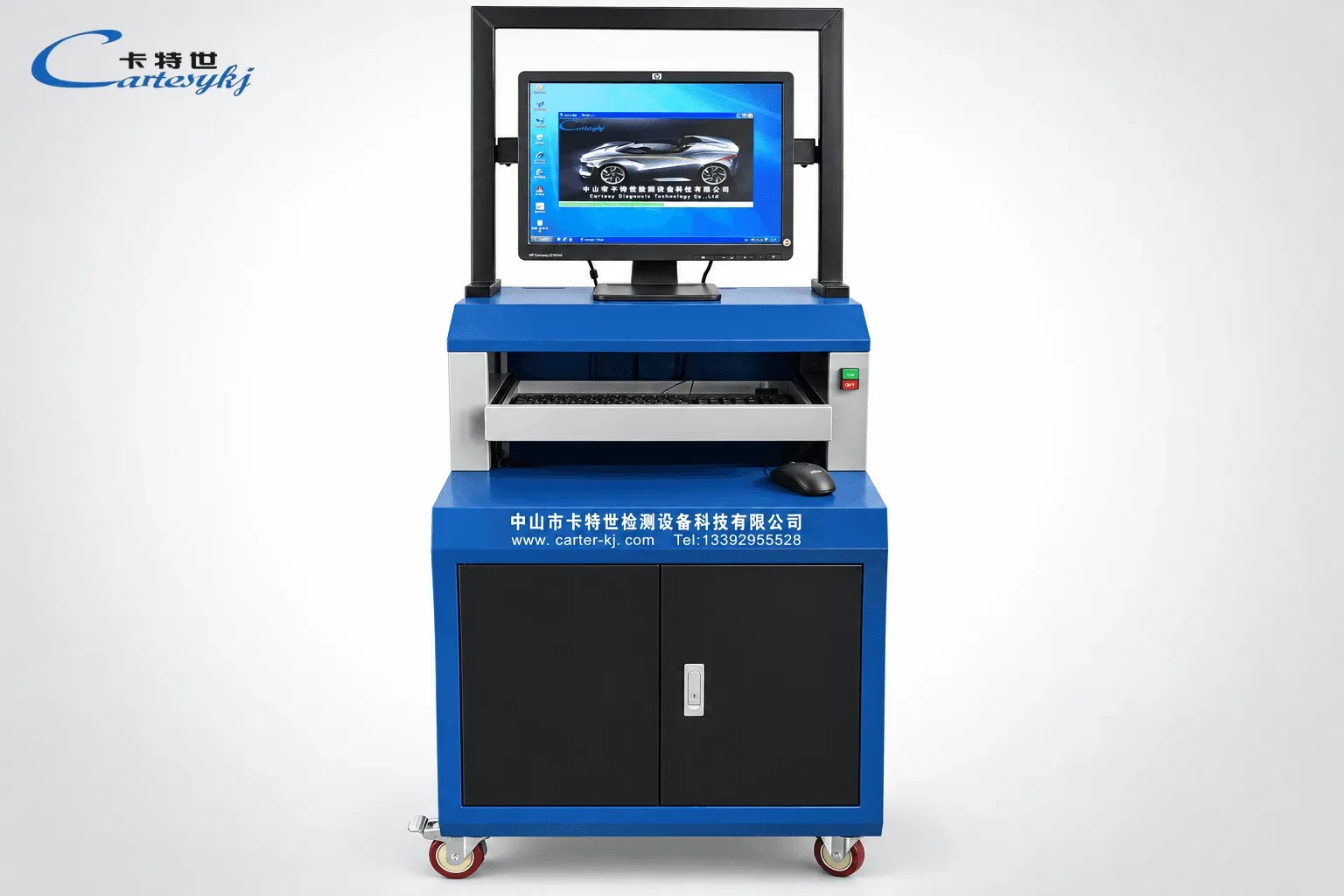
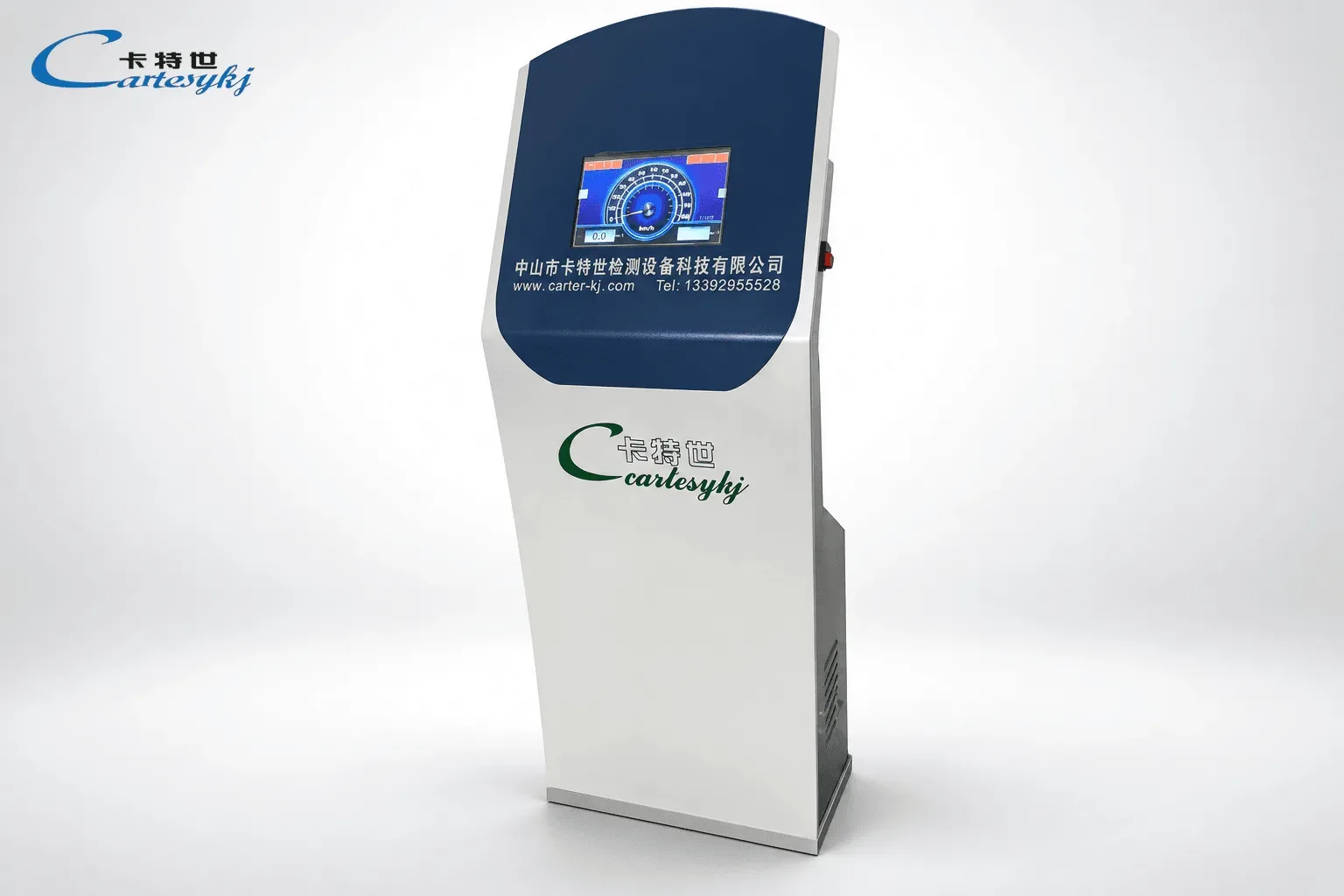
Inspection Line Control & Data Management Systems
LCD control instrument with touch screen | Cartesykj
View ProductRequest a Quote
Request configuration and pricing for your project.
Share your vehicle type, inspection lane layout, target capacity, and required model configuration for PDA Appearance Inspection System | Cartesykj.
Share the project location, vehicle types, inspection scope, applicable standards, target throughput, site conditions and current stage. We will confirm the configuration scope before discussing pricing.